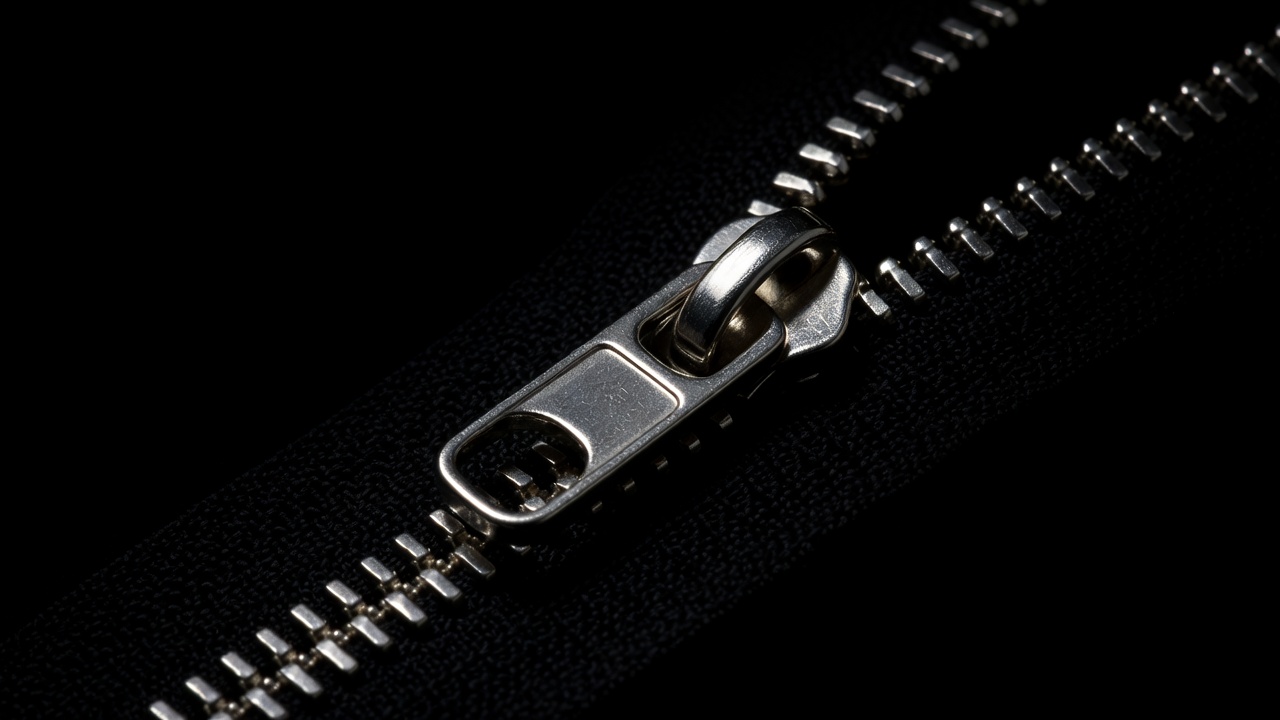
Strange Designs Explained
Every peculiar shape in your house is an answer. Here are the questions.
The hole nobody mentions
Look at the cap of a cheap ballpoint. There's often a small hole at the top. A tidy-minded designer would close it. Before reading on, guess why it's there: to stop the ink drying, to make the cap easier to mould, or something more serious?
Why do many pen caps have a hole?
Mainly safety. If a cap is accidentally inhaled, a vent lets some air pass. International standard ISO 11540 sets airflow requirements for caps on writing instruments intended for children. The hole also stops a pressure difference building as you push the cap on, which could otherwise force ink out of the tip.
Hook and loop
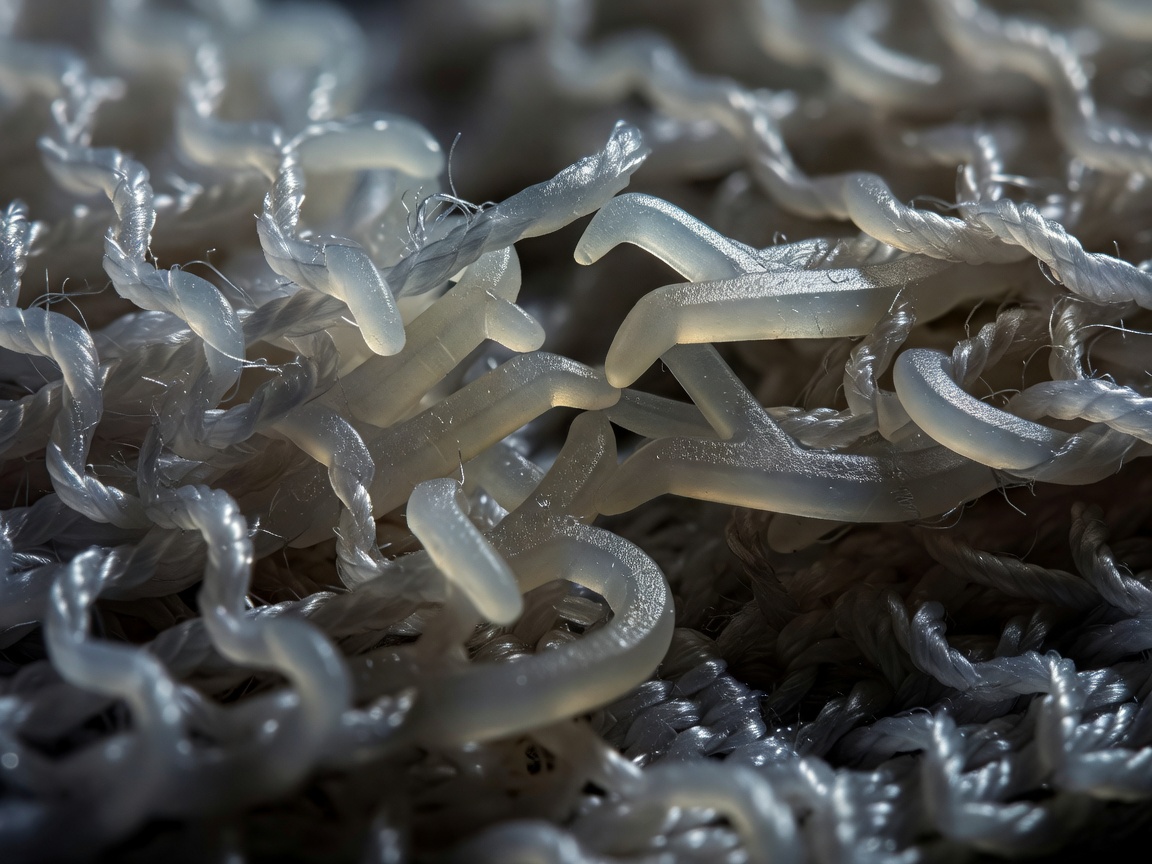
In 1941 Swiss engineer George de Mestral came home from a walk with burdock burrs clinging to his trousers and his dog. Under a microscope he found tiny hooks catching on loops of fibre. Years of work with weavers followed; he filed for a patent in 1951 and it was granted in Switzerland in 1955. The brand name joined velours and crochet.
The strength trick is numbers. Each hook holds weakly, but peeling separates them one row at a time, while a straight pull asks all of them to let go at once. That's why it rips open easily yet holds a shoe tight.
The weak glue
In 1968 Spencer Silver, a chemist at 3M, made an adhesive of tiny polymer spheres that stuck, but only lightly, and could be peeled and reused. Nobody quite knew what to do with it. In 1974 his colleague Art Fry wanted a bookmark that would stay put in his choir hymnal without damaging the pages. The notes reached shops nationally in the United States in 1980.
Because only the tops of the microspheres touch the paper, the contact area is small, so the grip is gentle. The design lesson is that "too weak" is only a flaw relative to a job.
The safety pin
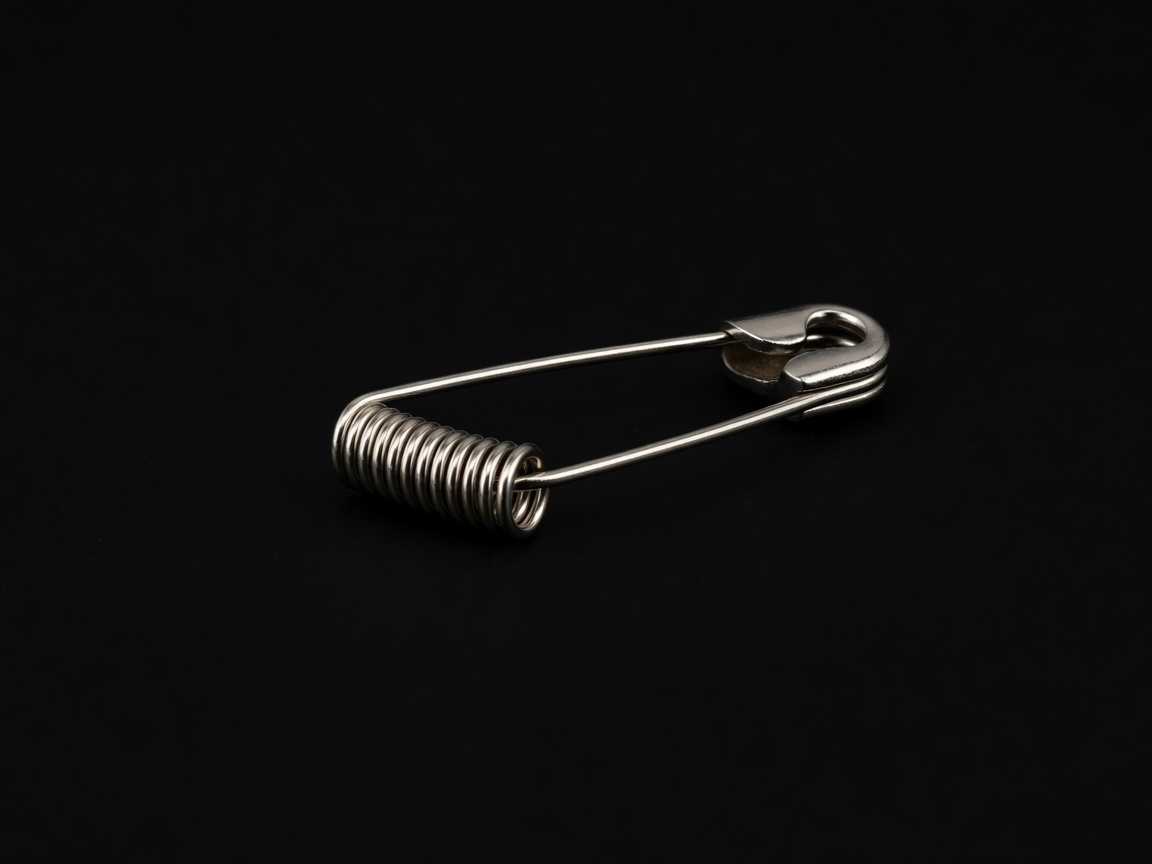
American mechanic Walter Hunt patented the safety pin in 1849 and reportedly sold the rights for about $400. The design is a masterclass in doing more with less.
- CoilA full loop in the wire stores spring energy and acts as a hinge.
- LeverPressing the arm loads the coil, which pushes the point outward.
- ClaspThe bent head traps the point so the spring keeps it secured, not exposed.
The zip
Whitcomb Judson showed a "clasp locker" in 1893, but it was Swedish-American engineer Gideon Sundback who, in 1913, produced the interlocking-tooth design we would recognise, sold as the Hookless Fastener. The word "zipper" was popularised in the 1920s by B. F. Goodrich for rubber boots.
The slider is a pair of wedges. On the way up, a Y-shaped channel forces teeth from each side to mesh at an angle, each scoop nesting in the next. On the way down, a central wedge pries them apart. Your fingers could never align hundreds of teeth; the slider's geometry does it in a second.
The bend under every sink
Why does the pipe under a sink loop downward and back up? Scottish watchmaker Alexander Cumming patented an S-shaped trap in 1775. The bend holds a small plug of water after every use, and that water forms a barrier against sewer gases. No moving parts, no maintenance beyond the occasional clean. It is a reminder that a shape can be a mechanism.
The same thinking gives us the pocket knife Karl Elsener began supplying to the Swiss Army in 1891: each oddly angled tool earns its place by solving a specific problem.